I come out and look at it with you
Call or send a message, and I'll set a time to come out myself and walk the brick with you. I answer every question you have while we're standing there, because that's the easiest place to see what I mean.
Mortar crumbling, cracked or worn back from the brick? We repoint the worn joints with a mix that's gentle on the brick you already have.
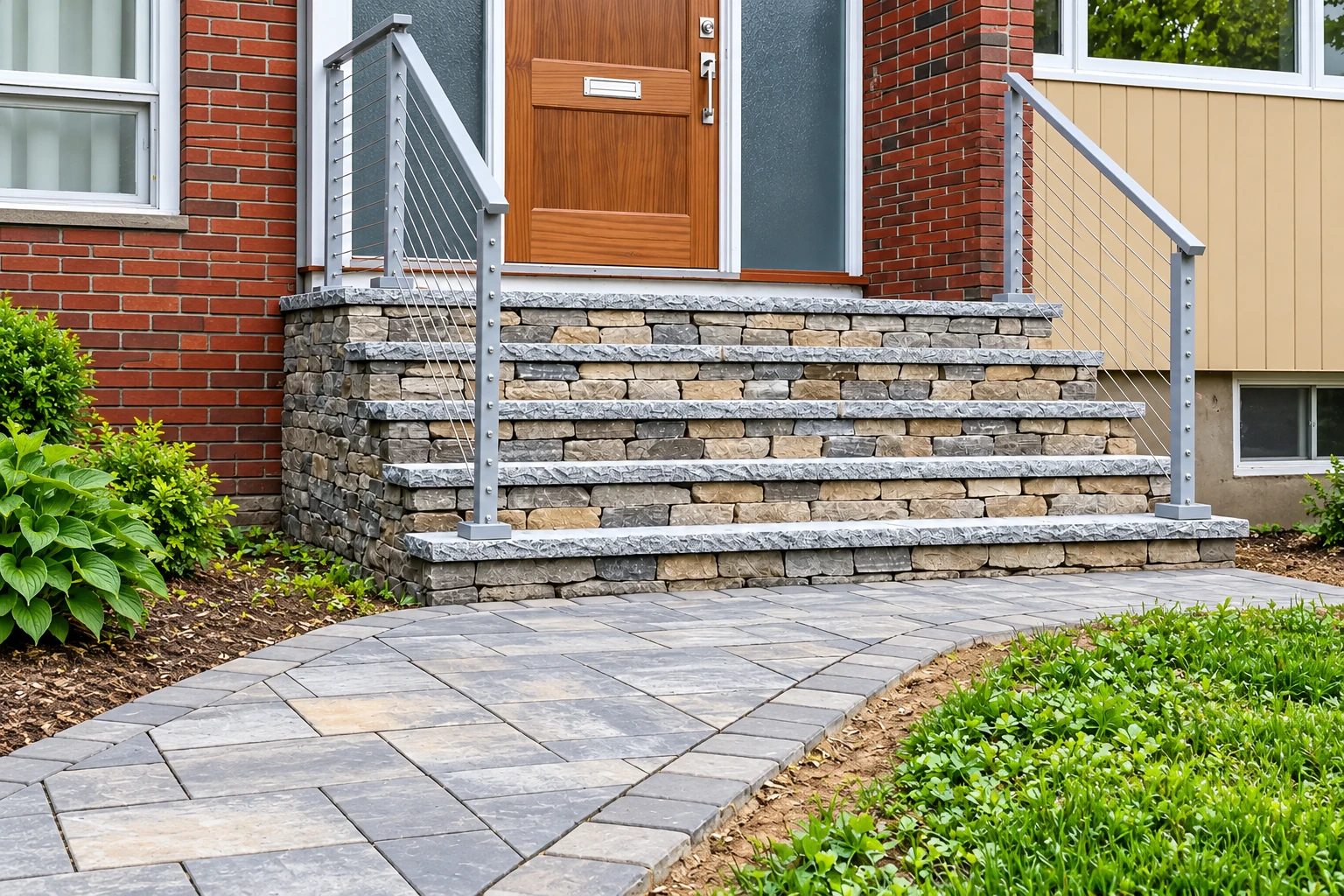
Brick repair in Rancho Cucamonga usually means repointing, where we clear out the worn outer part of the mortar joints between your bricks and fill them with fresh mortar. It's one of the most effective and lasting ways to cut down the water getting into a brick wall or chimney.
Most of the calls I get start with something small. There's sand on the patio under a wall, a joint you can scratch out with a fingernail, or a chimney that looks rougher than it used to. That usually means the mortar is wearing, and the sooner it's caught, the less there tends to be to redo.
The price moves with how many joints need work, how deep the wear goes and how high it sits, because a garden wall at waist height is a different job from a chimney we reach from a ladder or scaffold. The schedule usually turns on the weather, since fresh mortar doesn't like hard sun or rain while it sets, and on whether your city wants a permit first. Your written estimate puts your own figure and plan on paper.
I ran a landscape supply yard for years, selling brick, block and stone to masons around here, and I started this business in Rancho Cucamonga in 2023. I'd rather you understand your own wall before you spend anything on it, so the first steps are about looking and talking.
Call or send a message, and I'll set a time to come out myself and walk the brick with you. I answer every question you have while we're standing there, because that's the easiest place to see what I mean.
After the visit I send the estimate in writing, so you can go over it without anyone waiting on you. It lists the walls or chimney we'd work on and what we'd do to each one.
California's licensing board treats brick work as masonry, the trade that lays clay brick, block and stone. We're licensed and insured. Once you say yes, we sort out what the city asks for, I run the job on site with our crew while an experienced mason leads the brick work, and we walk the finished joints with you before we leave.
Before any brick repair, I show you which joints are worn and how the new mortar compares with what's already in your wall, so you decide knowing what you're getting. That comparison matters because new mortar should be about as strong as the old or a little weaker, and a stronger mix can damage the brick in ways that can't be repaired. Once you've seen it, we clear the worn mortar out of the joints, pack in the new mix, shape the joints to match the rest of the wall and clean up. Preservation guidance for older buildings warns that power saws on thin brick joints almost always chip the brick edges, so if your house is older, ask any crew how they'll clear the joints, and I'll tell you how we'd do yours.
Brick repair often comes up next to other work in the yard. If the brick you're worried about edges a drive that's breaking up, we also lay driveway pavers, and if a cracked wall is holding back soil, we'll talk through retaining wall construction with you.
Once the estimate is agreed and the city side is sorted, most of our repointing jobs follow this order, so you know what you'll see each day.
We cover plants, windows and paving below the work, because mortar dust and drips get everywhere. On a chimney, that includes the roof right around it.
We take the old mortar out back to sound material, working a section at a time so a whole wall isn't open at once. That keeps the brick supported while we go.
New mortar goes in firm, in layers where a joint runs deep, so it fills the joint rather than sitting on top. We shape it once it's stiff enough so it matches the joints beside it.
We keep fresh joints out of hard sun and rain while they set, because mortar that dries too fast tends to crumble early. Then we clean mortar smears off the brick faces and clear the site.
Send a few photos of the cracked or crumbling joints and tell us whether the work is on a chimney or a wall. We reply within one business day, then I come out to look at it with you and send a free written estimate, with no pressure and no obligation. Rather talk it through? Call (909) 360-4010.
(909) 360-4010Brick usually needs repointing when the mortar has worn back more than 1/4 inch from the face, or when it's crumbling, has gaps, or shows hairline cracks or cracks between the brick and the mortar. Those are the signs the brick industry points to. If you're seeing any of them, send a photo and I'll come take a look.
Mortar joints typically last more than 25 years, while the bricks themselves may well last over 100. So on most older walls it's the mortar that's worn out, not the brick, and that's where most of the repair work goes.
Not much. County guidance encourages repointing and patching isolated chimney cracks as regular upkeep, but says it does little to lower the risk of damage in future earthquakes. Repointing is worth doing to keep water out of the chimney, just don't count on it for earthquake protection.
Rancho Cucamonga's Building and Safety department takes permit applications online only and doesn't issue permits over the counter. Before we start, we check what the city asks for on your kind of job, and when a permit is needed, we handle the application and line up the inspections.
We're based in Rancho Cucamonga and work across the cities around it, including Upland, Ontario, Fontana, Chino and more, so if your city isn't listed, ask us. A good share of what we see is brick chimneys, and after the Trona earthquakes, San Bernardino County teams found damaged brick chimneys, with older, unreinforced ones with worn mortar most at risk. If yours is older, it's worth having the mortar looked at and knowing what upkeep can and can't do, as the earthquake answer above explains.
If your house may be a designated historic property, I'll ask you to confirm that with the city's Planning Department before we start, because that's where the city asks owners to check historic status. On a historic landmark or contributing property, restoration or changes can need a certificate of appropriateness from the Historic Preservation Commission or the Planning Director, and the director may review a chimney or fireplace repair that uses the same kind, type and texture of material already there.
Worn joints usually let in a little more water each wet season, so catching them early tends to mean less to repoint later. Call (909) 360-4010 or send the form.
If you're not sure your brick needs work yet, ask me and I'll tell you what I'd look for.
Tell us about your project